Expert Tips for Detroit Basement Drying and Mold Prevention
Living in Detroit means dealing with a unique set of challenges when it comes to basements. Our region's high water table, aging infrastructure, and frequent heavy rains make moisture a constant concern. Over the years, I've worked on countless homes where a little dampness turned into a full-blown mold problem. The key is catching it early and using the right approach for Detroit basement drying. Get that wrong, and you're just pushing water around instead of removing it.
Why Detroit Basements Are Especially Prone to Moisture
The Detroit Water and Sewerage Department manages a system that's often overwhelmed during storms. Combined sewer overflows and backup risks mean that a basement flood can happen fast. Even without a major flood, hydrostatic pressure pushes groundwater through foundation cracks and the floor slab. That's why you see efflorescence, peeling paint, and that musty smell in so many homes here.
Another factor is the age of our housing stock. Old foundations, unlined crawl spaces, and poor grading around the house all contribute. I've seen houses where the downspout empties right next to the foundation wall, and the owner wonders why the basement smells like a swamp. The first step in any serious Detroit basement drying plan is to stop water at the source.
Start With the Outside: Water Diversion and Drainage
Before you even think about running a dehumidifier, look at what's happening outside. Gutters and downspouts should discharge at least six feet from the foundation. If they don't, you're just feeding the problem. A French drain installed around the perimeter can intercept groundwater before it reaches the wall. I've seen these make a night-and-day difference in homes that had chronic seepage.
Inside, a sump pump is your first line of defense against a basement flood. Make sure it's sized for your pit and has a battery backup. Power outages often happen during storms, and a pump that stops working when you need it most is worse than no pump at all. Test it twice a year, and clean the intake screen. A clogged sump pump is a common cause of flooding that could have been avoided.
Choosing the Right Drying Equipment
Once you've handled the bulk water, you need to manage the humidity that remains. This is where equipment choice matters. Not all dehumidifiers perform the same, especially in a cool, damp basement. I've had good results with units from Santa Fe and Dri-Eaz in larger crawl spaces or open basements. They're built for continuous duty and move a lot of water even at lower temperatures.
For smaller spaces, a unit like the AlorAir Sentinel or the AprilAire 1820 works well. The AprilAire models use a MERV-13 filter to capture fine particles, which helps with air quality while you dry the space. The DEHUM 500 from Santa Fe is another workhorse I've installed in several homes. It pulls out impressive amounts of moisture and runs efficiently year-round.
If you're dealing with a finished basement or a space where you spend time, consider a whole-house dehumidifier integrated with your HVAC. Honeywell makes reliable units that can be tied into your existing ductwork. But for a raw basement or one that's still under construction, a portable or utility-grade unit is often the more practical choice.
Air Quality and Mold Prevention
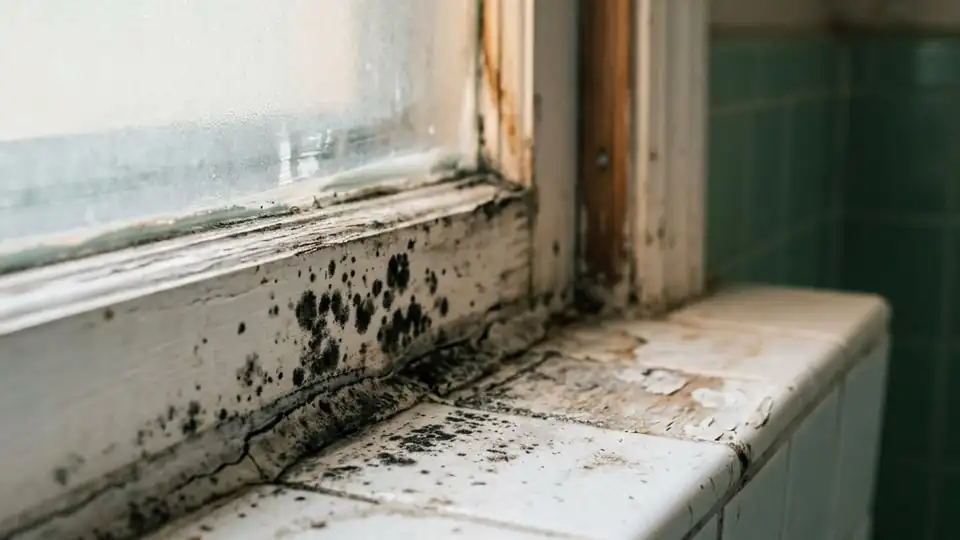
Drying the air is only half the battle. Mold spores are everywhere, and they only need moisture and a food source to grow. That's why ventilation matters. Stale, humid air allows mold to colonize on drywall, wood, and even concrete. I recommend running a fan to create air movement, and if you can, set up negative air pressure in the basement so moist air is exhausted outside rather than drawn into the living space above.
For extra protection, a UV-C light installed in the return air duct or in a portable air scrubber can kill mold spores and bacteria. Pair that with a HEPA filter and you've got a solid defense against airborne contaminants. Trox makes some good in-duct UV-C systems if you're doing a full HVAC renovation. But even a standalone HEPA air purifier in the basement helps a lot.
Remember that mold doesn't need standing water to grow. High humidity alone, above 60 percent, is enough. So keep your basement relative humidity between 40 and 50 percent. Use a hygrometer to monitor it. If you see condensation on pipes or windows, that's a red flag that your Detroit basement drying strategy needs adjustment.
When to Call a Professional
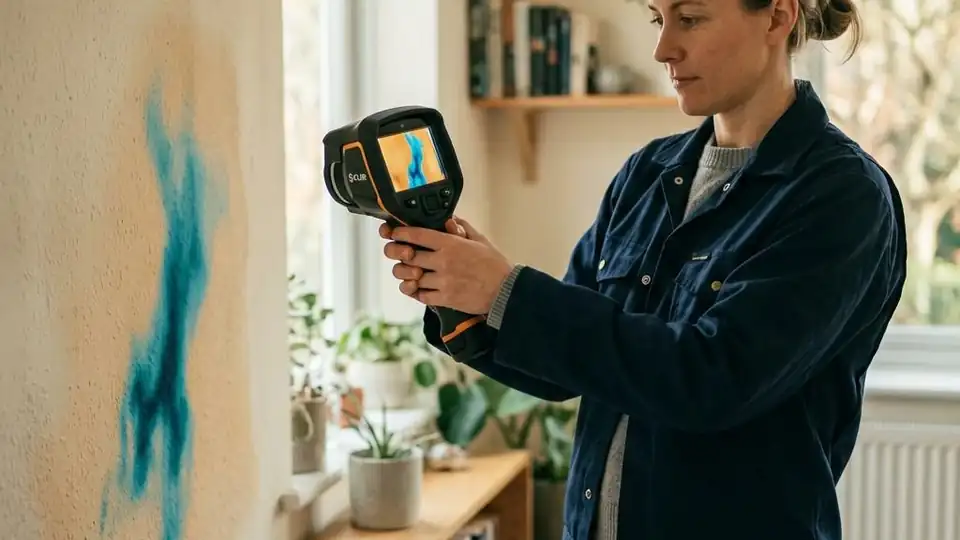
Some moisture problems are too big for a homeowner to solve alone. If you've had a basement flood and the water sat for more than 24 hours, you're likely dealing with Category 3 water damage. That's where the IICRC standards come in. A certified restorer will use moisture meters, thermal imaging, and commercial-grade drying equipment to dry the structure properly. They'll also test for hidden mold behind walls and under flooring.
For mold remediation specifically, the EPA has guidelines that every contractor should follow. But not all contractors follow them. Look for someone who understands containment, negative air pressure, and proper disposal. Encapsulation is often used on surfaces where mold can't be fully removed, like rough concrete or unpainted wood. A vapor barrier over a dirt crawl space can also prevent moisture from migrating up into the living area.
Practical Maintenance Tips
Here are a few things I recommend every Detroit homeowner do at least once a year:

- Check your sump pump and clean the intake screen.
- Inspect gutters and downspouts for clogs and leaks.
- Test your dehumidifier's drain hose for kinks or blockages.
- Look for efflorescence or peeling paint on basement walls.
- Measure humidity levels with a hygrometer and adjust your dehumidifier setting.
These simple checks can save you thousands in mold remediation later. I've seen too many homeowners ignore a small leak only to end up tearing out drywall and carpet a year later.
Conclusion: A Dry Basement Is Possible
Detroit basement drying doesn't have to be a losing battle. With the right combination of exterior drainage, interior equipment, and ongoing monitoring, you can keep your basement dry and healthy. Whether you choose a Santa Fe DEHUM 500 for heavy-duty drying or a Honeywell unit for whole-house integration, the key is to act before moisture takes hold. Don't wait for the smell or the stains. A dry basement is one of the best investments you can make in your home's value and your family's health.